Materials
3D Printing Resin Types Explained: Standard, Tough, Water-Washable and More
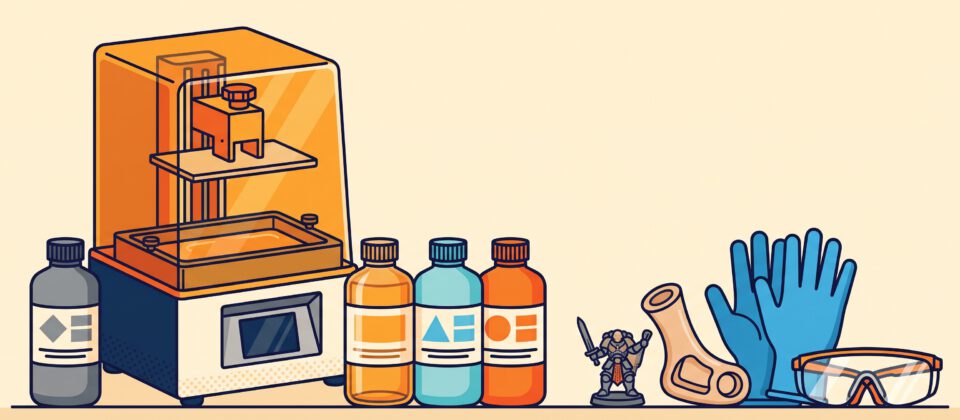
Compare resin types for MSLA printers: standard, ABS-like, tough, water-washable, flexible and castable. Costs, uses and safety.
3D printing for beginners
Plain-English tutorials, honest buying guides, troubleshooting help, and a glossary that explains every confusing term. No experience required.
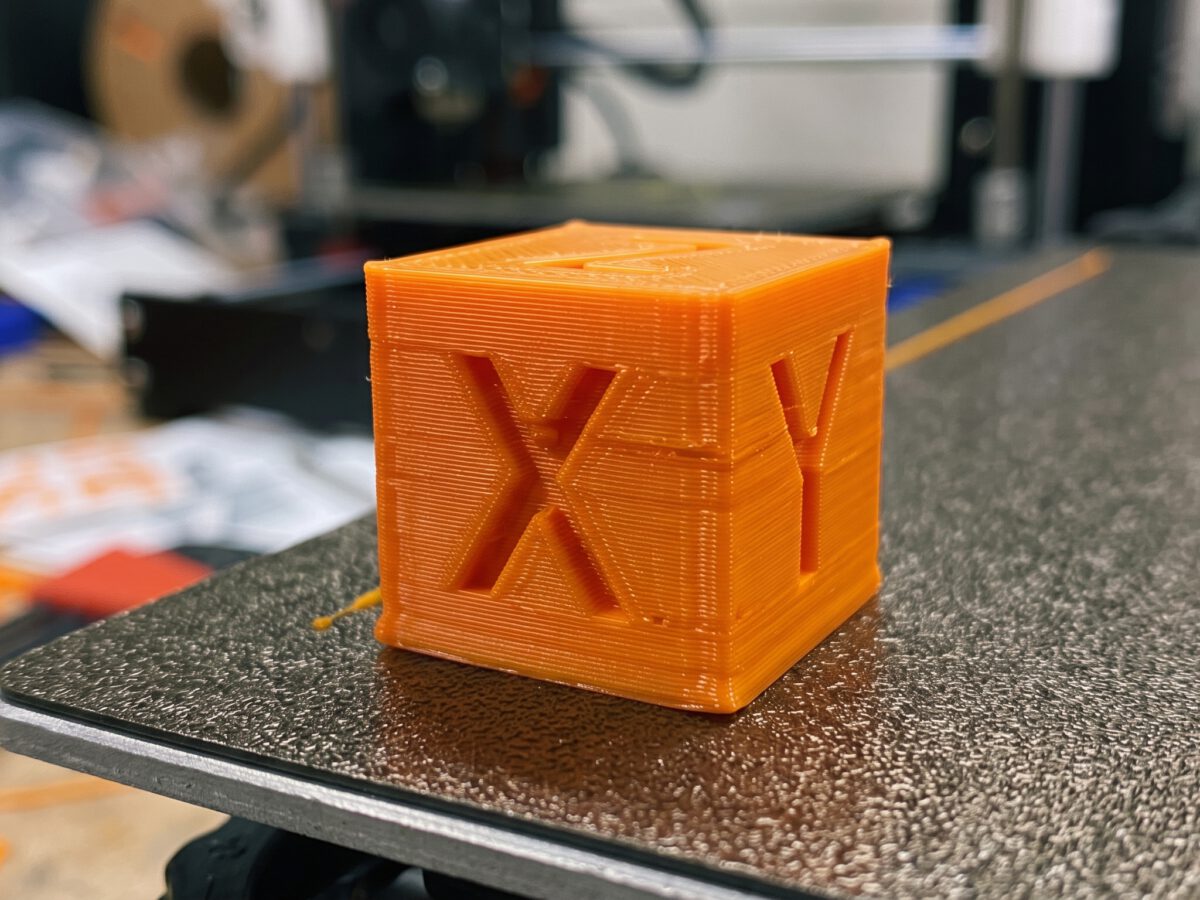
A simple 20 mm test cube. Print it to check your temperatures and dimensions before trying bigger projects.
New to all this? Learn what 3D printing is, how it works, and how to pick your first printer.
Begin → 2Step-by-step guides, from leveling your bed to finishing your first successful print.
Start building → 3Infill, retraction, slicer, G-code… every term explained in plain English.
Open the glossary →New to 3D printing? Begin here with the basics and your first printer.
6 posts Layer 02Step-by-step guides from setup and bed leveling to your first print.
6 posts Layer 03Printers, filament, tools and accessories worth buying, explained simply.
6 posts Layer 04Fix stringing, warping, failed first layers, clogs and other print problems.
0 posts Layer 05PLA, PETG, ABS, TPU and resin: what each one does and when to use it.
6 posts Layer 06Slicers, free model sites, and your first steps designing your own parts.
0 posts Layer 07Beginner-friendly prints, useful household makes, and fun builds.
0 postsCompare resin types for MSLA printers: standard, ABS-like, tough, water-washable, flexible and castable. Costs, uses and safety.
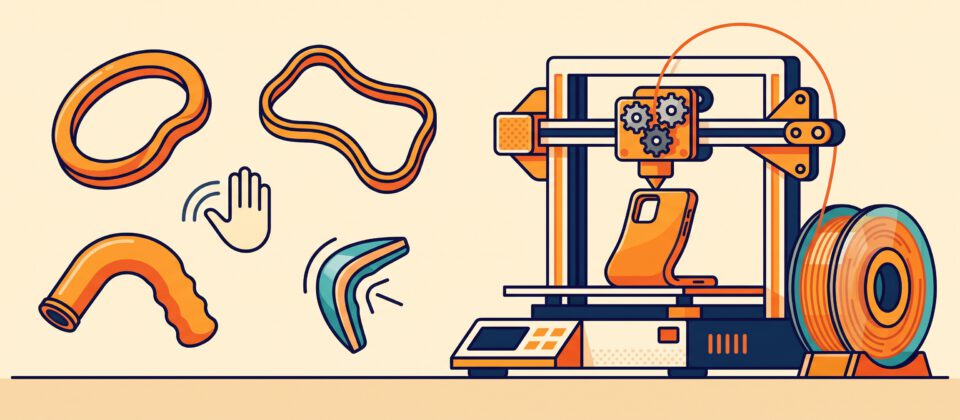
Learn how to print TPU: hardness ratings, printer requirements, slow-and-steady settings, and how to fix jams and stringing.
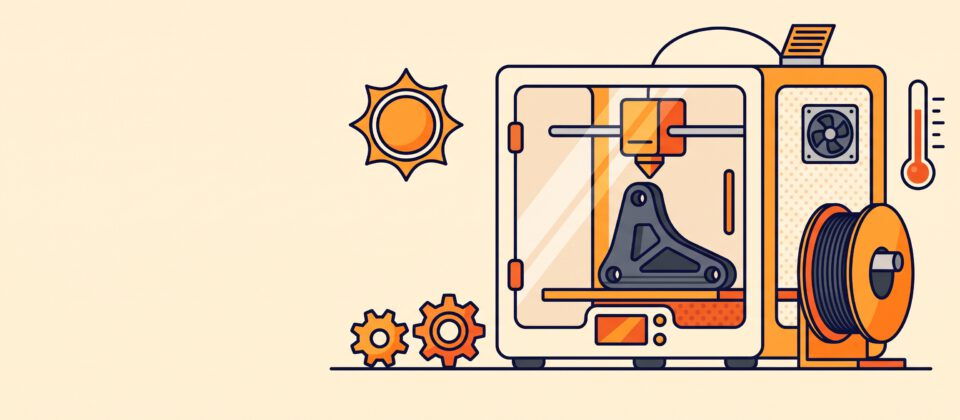
Learn when to use ABS or ASA, what printer you need, safe ventilation, print settings and fixes for warping and cracking.
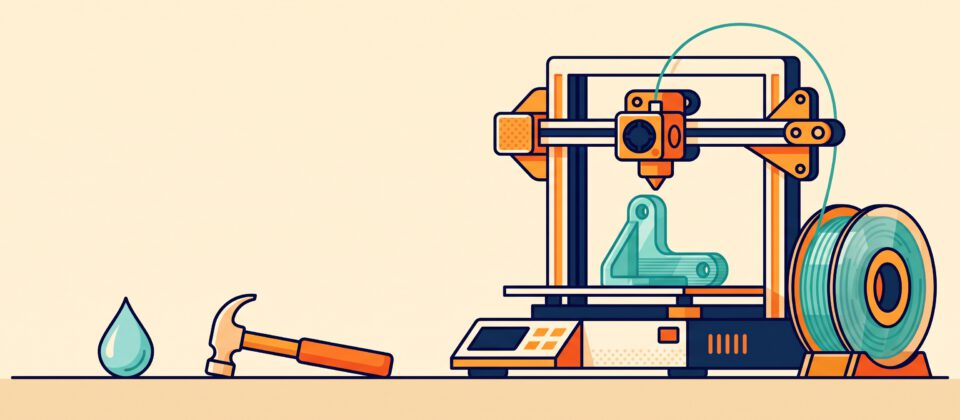
A beginner guide to PETG filament: when to choose it over PLA, print settings, stringing fixes and what to buy.
Everything a beginner needs to know about PLA filament: types, print settings, tips, common problems and what to buy.
Compare PLA, PETG, ABS, ASA and TPU side by side: strength, heat resistance, difficulty, cost and what each is best for.
The pattern and density printed inside your part to give it strength.
The surface your print is built on. Also called the print bed.
Temporary structures printed to hold up overhanging parts.
The plastic "ink" an FDM printer melts to build your print.
The most common file format for 3D models.
Pulling filament back slightly to stop oozing and stringing.